
Transform Your Plate, Transform Your Life
Welcome to Nutritionguideflow, your trusted source for expert nutritionist tips and healthy eating guidance across the United Kingdom. Discover practical strategies to fuel your body with whole foods and sustainable habits that last.
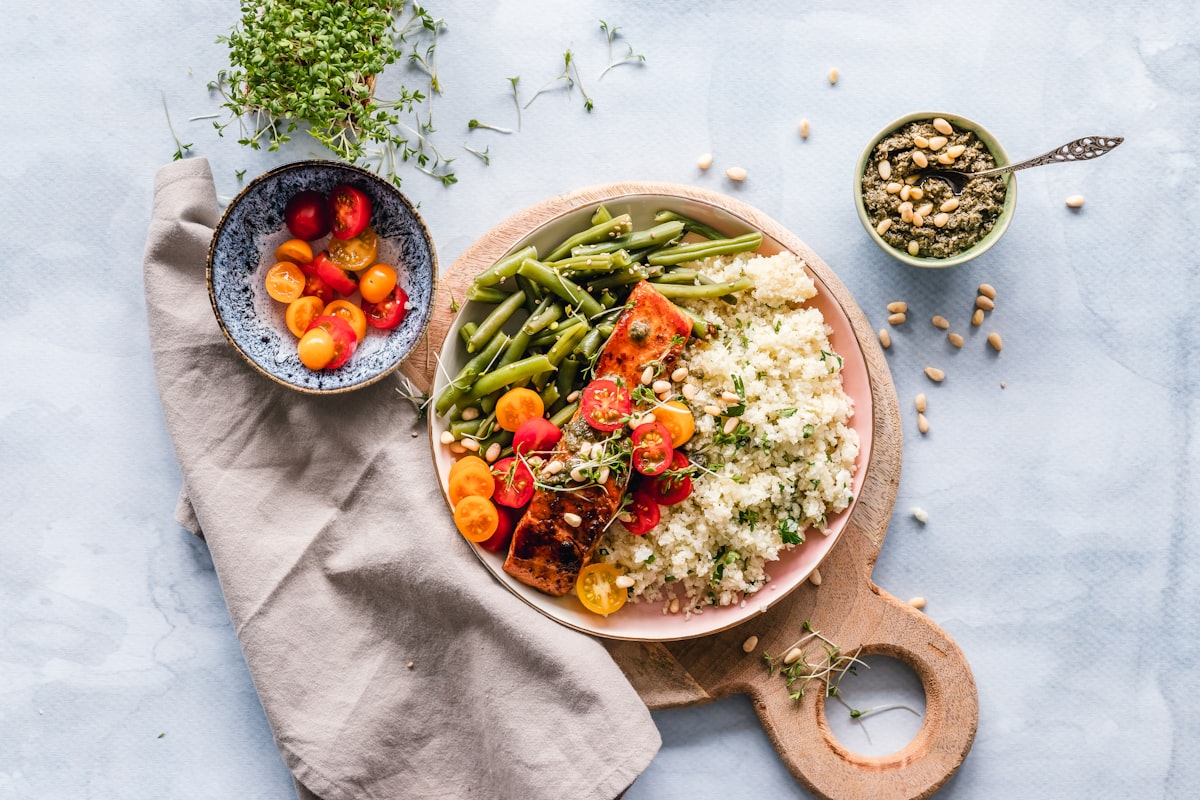
Core Principles of Healthy Eating
Master the fundamentals of nutrition with evidence-based guidance designed to help you make informed food choices for long-term wellbeing.
Whole Foods First
Prioritise unprocessed, nutrient-dense foods like fresh vegetables, fruits, whole grains, and legumes. These provide essential vitamins, minerals, and fibre your body needs to function optimally.
Balanced Portions
Learn to plate your meals with proper proportions: half your plate vegetables, one quarter lean protein, one quarter whole grains. This balance supports sustained energy and satiety throughout your day.
Hydration Habits
Water is fundamental to every bodily process. Aim for 6-8 glasses daily, adjusted for activity level and climate. Proper hydration improves digestion, energy levels, and cognitive function.
Heart-Smart Choices
Incorporate healthy fats from avocados, nuts, and olive oil whilst limiting saturated fats. Choose lean proteins and reduce sodium intake to support cardiovascular wellbeing.
Seasonal Eating
Choose produce that's in season for maximum nutrition and flavour. Seasonal foods are fresher, more affordable, and support local UK farmers whilst providing peak nutritional value.
Mindful Eating
Slow down, chew thoroughly, and listen to hunger and fullness cues. Mindful eating practices reduce overeating, improve digestion, and foster a healthier relationship with food.
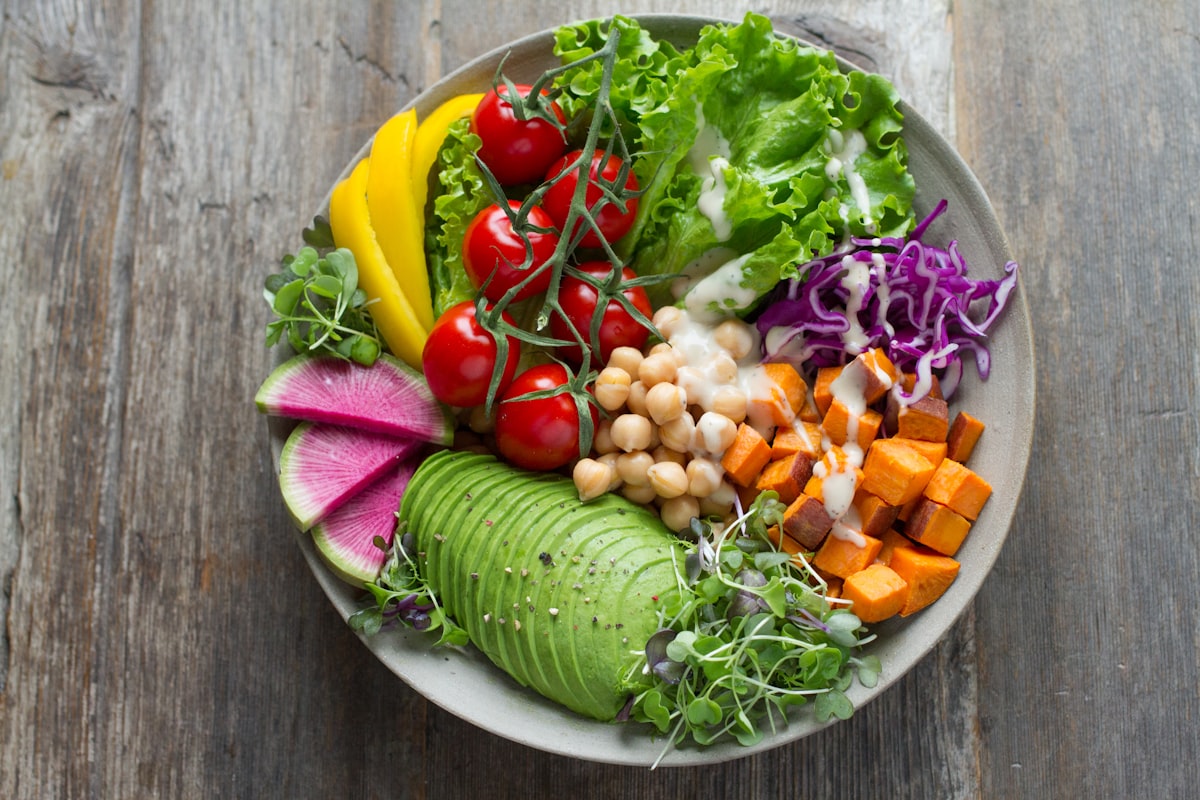
Why Choose Nutritionguideflow?
We're committed to delivering practical, science-backed nutritional guidance tailored to modern British lifestyles. Our editorial approach cuts through marketing noise and focuses on sustainable habits you can implement today.
-
Evidence-Based Content
🌿 Did you know?Every tip and recommendation is grounded in peer-reviewed research and nutritional science, not trends or fads.
-
UK-Focused Guidance
Our advice considers local seasons, available ingredients, and nutritional standards specific to the United Kingdom.
-
Practical Strategies
We focus on actionable steps and real-world solutions that fit busy lives, not unrealistic perfectionism.
-
Editorial Independence
Our content is written by experienced nutritionists and editors, free from commercial product bias or misleading claims.
Your Nutrition Journey in Five Steps
Follow this proven framework to transition toward healthier eating patterns and develop sustainable lifestyle changes.
Assess Your Current Habits
Track your daily intake for one week to identify patterns, triggers, and areas for improvement. Write down what you eat, when, and how you felt. This awareness is your foundation.
Set Realistic Goals
Define specific, measurable objectives like "add three servings of vegetables daily" rather than vague aims like "eat healthier." Small, achievable targets build momentum and confidence.
Plan and Prepare
Dedicate time weekly to meal planning and batch cooking. Prepare vegetables, grains, and proteins in advance. Having healthy options ready makes good choices the easy choice.
Build Consistent Routines
Establish regular eating patterns with breakfast, lunch, dinner, and planned snacks. Consistency stabilises blood sugar, reduces impulsive choices, and supports metabolic health.
Monitor and Adjust
Review your progress monthly. Notice energy levels, digestion quality, and how you feel. Adjust portion sizes, food choices, or timing based on your body's feedback and changing needs.
Make It Sustainable
Nutrition is lifelong. Focus on creating enjoyable habits you can maintain, not restrictive diets. Flexibility, self-compassion, and celebrating progress ensure lasting success.
Nutrition Articles and Resources
Explore our collection of in-depth guides covering macronutrients, meal planning, seasonal produce, and dietary approaches suited to modern UK living.
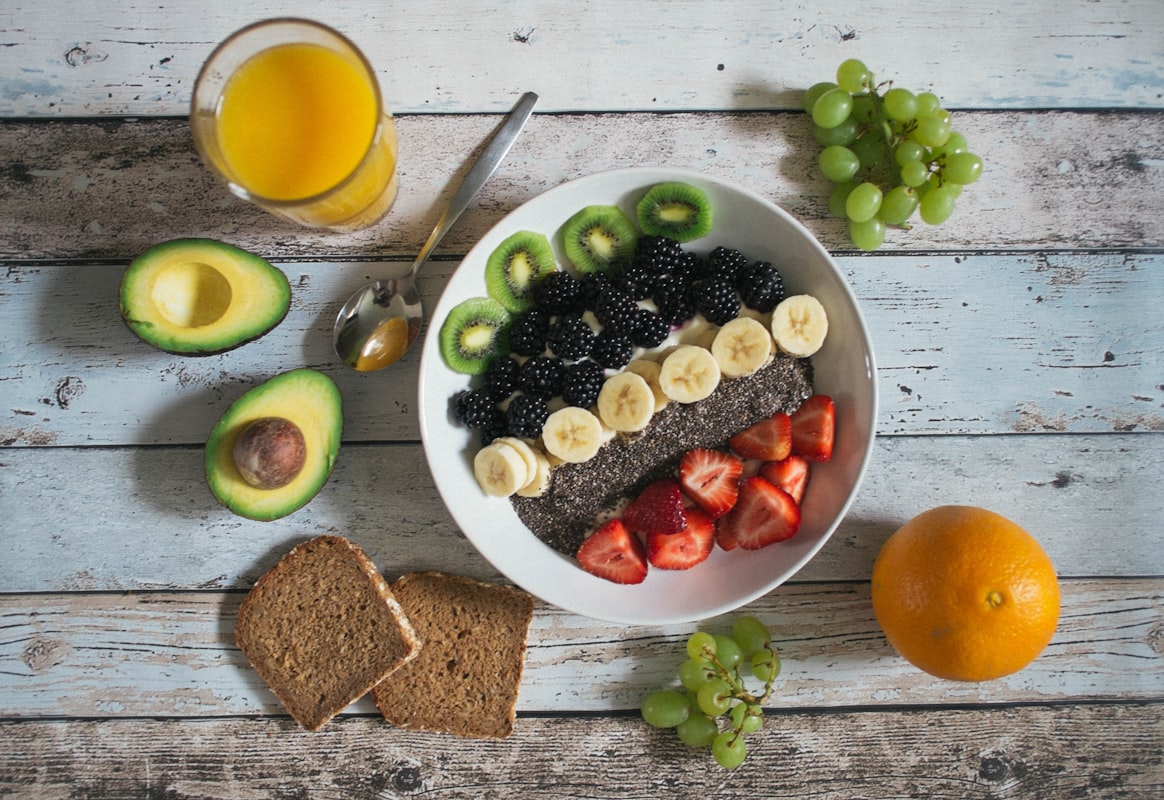
Breakfast Ideas for Energy
Discover nutrient-packed breakfast recipes that stabilise blood sugar and provide sustained energy through your morning.
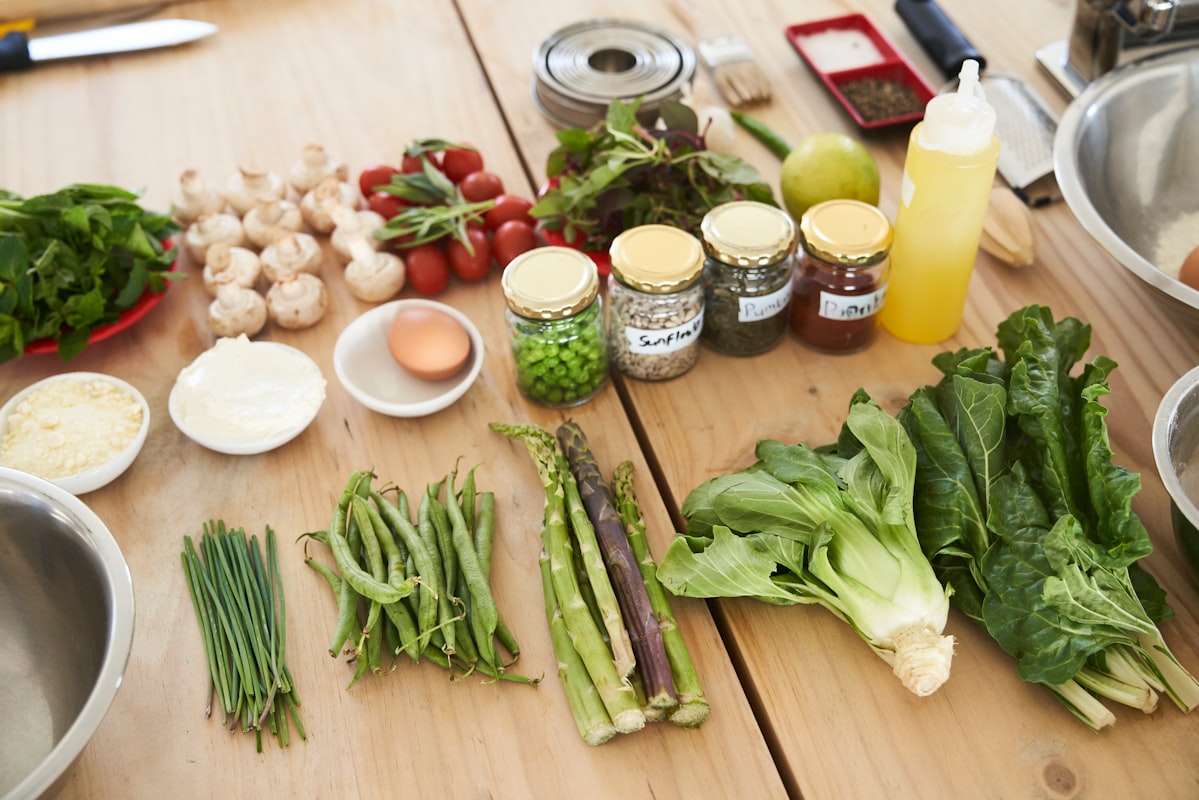
Seasonal Salad Recipes
Learn to build satisfying salads using seasonal UK vegetables, healthy fats, and complete proteins for balanced nutrition.
Protein-Rich Dinners
Explore delicious dinner recipes featuring fish, poultry, legumes, and plant-based proteins prepared simply and sustainably.

Smart Snacking Guide
Choose nutritious snacks that prevent energy crashes and hunger between meals whilst keeping you satisfied.

Hydration and Wellness
Understand optimal fluid intake, herbal teas, and how proper hydration supports digestion and overall health.

Meal Prep Strategies
Master batch cooking and food storage techniques to simplify your week and ensure consistent healthy eating.
Frequently Asked Questions
Find answers to common nutrition questions our readers ask us most frequently.
How much water should I drink daily?
The standard recommendation is 6-8 glasses (1.5-2 litres) daily, though individual needs vary based on activity level, climate, and body composition. A helpful guide is to drink enough water so your urine is pale yellow. Increase intake on exercise days and in warm weather.
Are carbohydrates bad for weight management?
Not at all. Carbohydrates provide essential energy and fibre. The key is choosing whole grains (oats, brown rice, wholemeal bread) over refined versions. Pair carbs with protein and healthy fats for stable blood sugar and sustained satiety.
How can I eat healthily on a budget?
Buy seasonal produce, choose dried beans and lentils over processed snacks, purchase in bulk, and plan meals around what's on offer. Frozen vegetables are nutritious and affordable. Build your shopping list around whole foods rather than convenience items.
What's the best diet for sustainable weight loss?
Rather than restrictive diets, focus on whole foods, appropriate portions, and mindful eating. The best approach is one you can maintain long-term. Aim for gradual progress (0.5significant weight weekly) combined with regular movement and stress management.
Should I skip breakfast?
Most people benefit from eating breakfast within two hours of waking. It replenishes glycogen stores, improves concentration, and can reduce overeating later. If you're not hungry, start with light options like fruit or yoghurt before building to heartier meals.
How do I read nutrition labels effectively?
Check serving size first, then focus on calories, sugar, sodium, and fibre. Look for products with more fibre and less added sugar. Compare similar products. Ingredients are listed by weight, so if sugar appears early, the product is higher in sugar.
What Our Readers Say
Real feedback from people who've implemented our nutritional guidance and experienced positive results.
Nutritionguideflow completely changed how I approach food. I wasn't looking for quick fixes or extreme diets — I wanted sustainable guidance I could actually follow. Their meal prep strategies are brilliantly practical, and within three months I had more energy and felt genuinely better. The emphasis on whole foods and seasonal eating has saved me money too.
As a busy working parent, I struggle with healthy eating. Your hydration tips and balanced portion guides are so straightforward that even my kids understand them. We've shifted away from processed snacks naturally, and everyone feels better. The articles aren't preachy — they're genuinely helpful and rooted in science.
I've tried countless nutrition websites with conflicting advice and hidden agendas. Nutritionguideflow stands apart because they're transparent about what the evidence actually shows. Their seasonal salad recipes and protein dinner guides are go-to references in my kitchen now. This is the kind of trustworthy resource I've been searching for.
Ready to Transform Your Nutrition?
Explore our complete collection of evidence-based articles, recipes, and practical strategies designed to help you build lasting healthy eating habits.