Editorial Platform — Informational content only. No services, no sales, no deliveries. Read full notice
+44 785 307 482LeedsMon-Fri 09:00 - 18:00
Refined Living 2026

Nutritionist Tips for Healthy Eating

Explore our comprehensive guide to nutrition, featuring expert advice on balanced diets, meal planning, and sustainable eating habits that support your wellbeing.

Browse Our Articles

Understanding Macronutrients
Nutrition Basics

Understanding Macronutrients

Learn the essential breakdown of proteins, carbohydrates, and fats. Discover how each macronutrient plays a crucial role in your daily nutrition and how to balance them for optimal health. This guide covers portion sizes, food sources, and practical tips for meeting your macronutrient goals.

Read more →
Weekly Meal Prep Strategies
Meal Planning

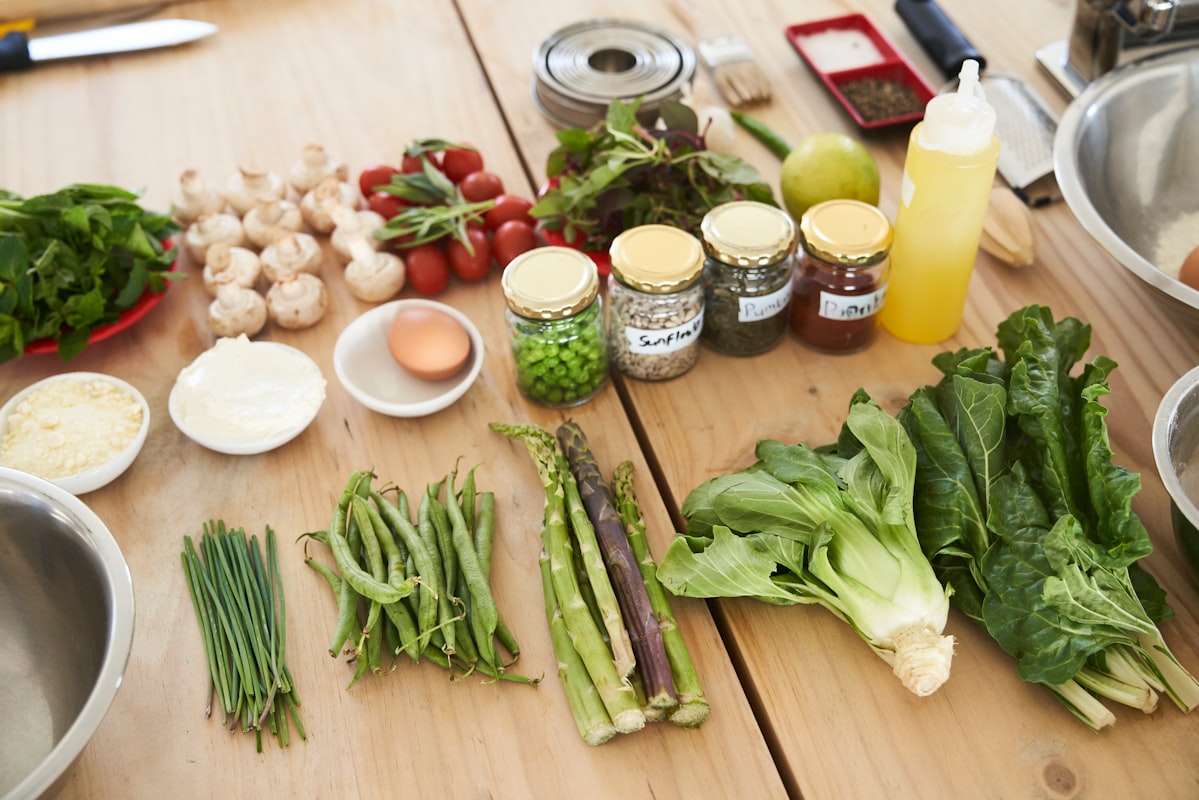
Weekly Meal Prep Strategies

Master the art of preparing nutritious meals in advance. This comprehensive guide walks through selecting ingredients, batch cooking techniques, proper storage methods, and time-saving strategies. Learn how to build flexibility into your meal prep while maintaining nutritional balance throughout the week.

Read more →
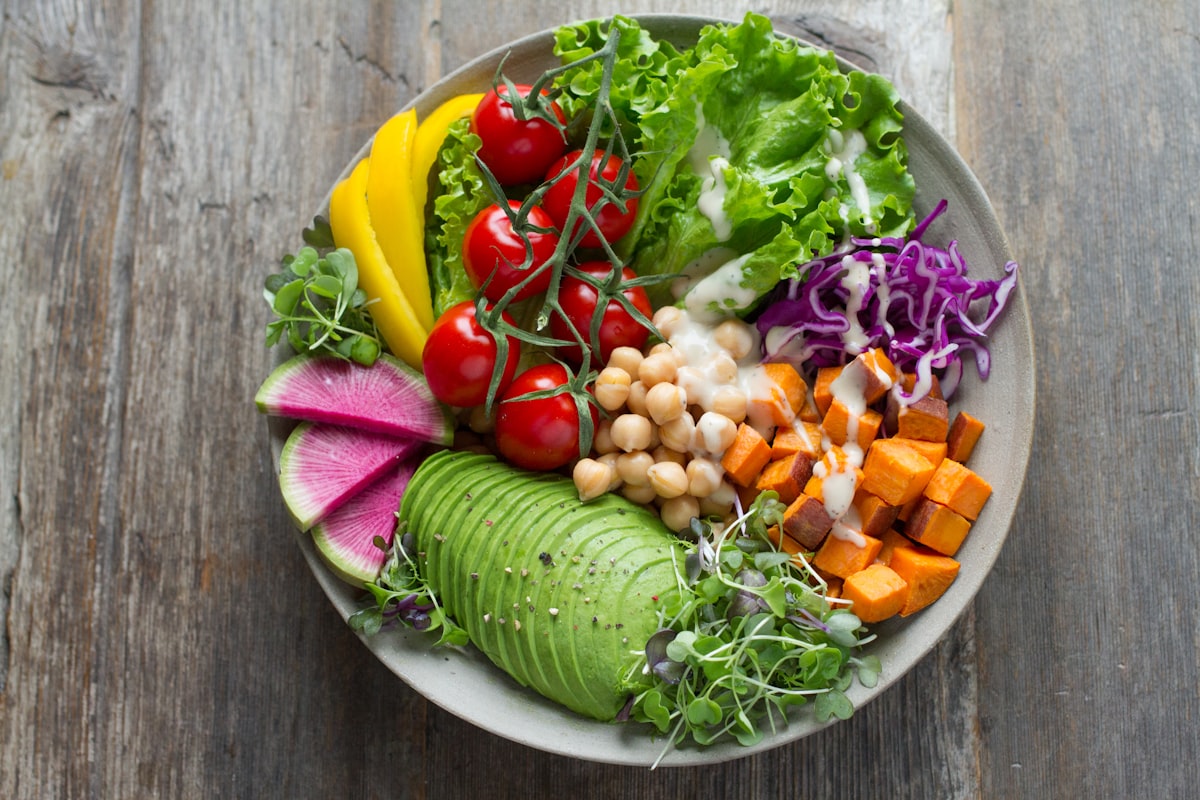
Building a Balanced Plate
Dietary Guidelines

Building a Balanced Plate

Understand the visual approach to creating nutritionally complete meals. Explore the proper proportions of vegetables, proteins, whole grains, and healthy fats. This article provides practical examples for breakfast, lunch, and dinner with real-world food combinations and visual guides.

Read more →
Hydration and Wellness
Nutrition Basics

Hydration and Wellness

Discover the critical role water plays in your body's functions. Learn daily hydration recommendations based on activity level, climate, and individual factors. This guide addresses common myths, explores the benefits of proper hydration, and provides strategies for increasing water intake throughout your day.

Read more →
Whole Grains and Fibre
Food Groups

Whole Grains and Fibre

Explore the nutritional benefits of whole grains and dietary fibre. Understand the difference between refined and whole grains, and learn which foods provide the most fibre. This comprehensive guide includes tips for transitioning your diet, identifying whole grain products, and incorporating them into every meal.

Read more →
Healthy Snacking Guidelines
Healthy Recipes

Healthy Snacking Guidelines

Learn how to snack smartly and support your nutrition goals. Discover balanced snack combinations that stabilise energy levels and satisfy cravings. This guide covers portion sizes, nutrient timing, and creative snack ideas that are easy to prepare and transport for busy lifestyles.

Read more →
Managing Portion Sizes
Nutrition Basics

Managing Portion Sizes

Master the art of understanding appropriate portion sizes for different foods and activities. Learn practical methods for portion control without feeling restricted. This article explores hand-based portion guides, mindful eating practices, and strategies for enjoying your favourite foods while maintaining balance.

Read more →
Reading Nutrition Labels
Dietary Guidelines

Reading Nutrition Labels

Develop skills to decode food packaging and make informed choices at the supermarket. Learn what information matters most and how to compare products effectively. This detailed guide covers serving sizes, ingredient lists, allergen information, and understanding claims on packaging.

Read more →
Plant-Based Nutrition
Food Groups

Plant-Based Nutrition

Explore the benefits and considerations of plant-forward eating patterns. Understand how to obtain essential nutrients from plant sources, including protein, iron, vitamin B12, and omega-3 fatty acids. This comprehensive guide provides meal ideas, ingredient substitutions, and practical tips for adopting a more plant-based approach.

Read more →
High

of readers find our nutrition guides practical and applicable to daily life

Many

comprehensive articles covering every aspect of healthy eating and nutrition

Updated

regularly with latest nutritional science and evidence-based recommendations

Frequently Asked Questions

Find answers to common questions about nutrition, meal planning, and healthy eating habits.

How many servings of vegetables should I eat daily?

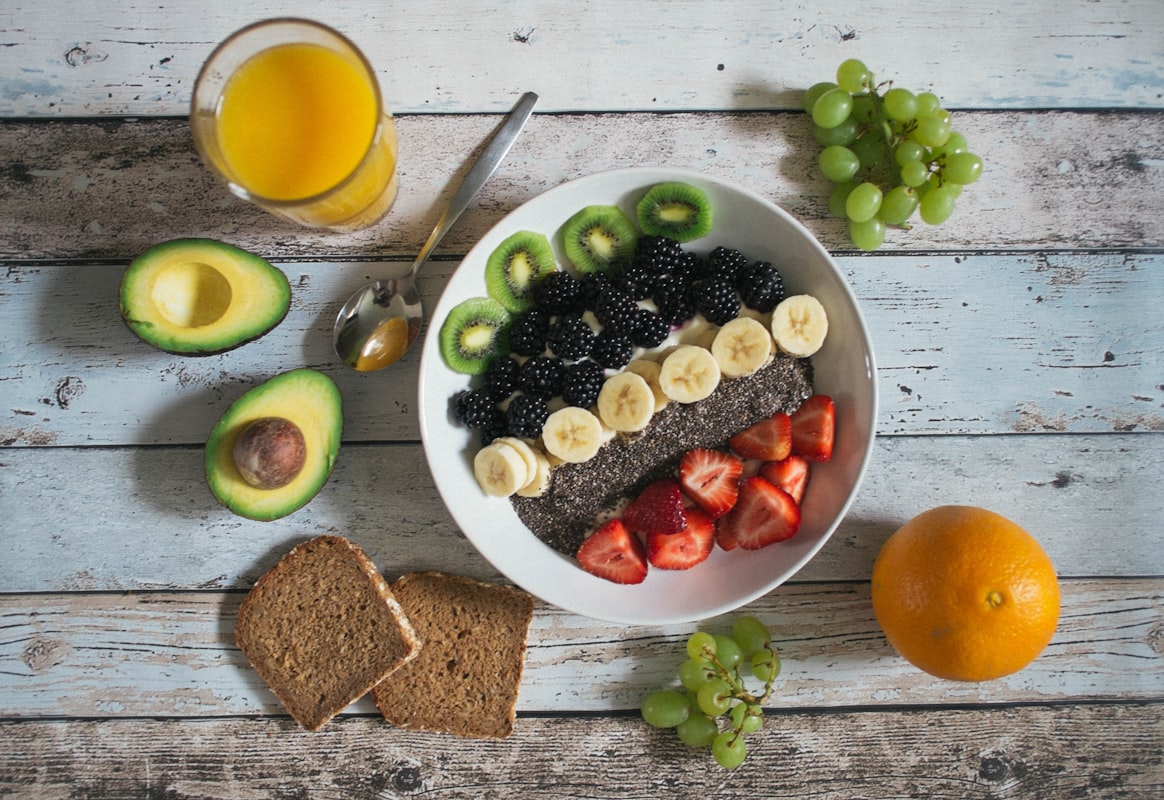
Nutritional guidelines recommend consuming at least five portions of vegetables and fruit daily. A standard serving is roughly 80 grams—equivalent to a handful of berries or a medium-sized apple. Aim to vary your choices across different colours to ensure a broad spectrum of nutrients. Include raw, cooked, frozen, and canned vegetables, as they all contribute valuable vitamins, minerals, and fibre to your diet.

What is the best time to eat meals?

Meal timing is highly individual and depends on your schedule, activity level, and personal preferences. Most people benefit from eating at relatively consistent times each day, as this helps regulate appetite hormones and energy levels. Aim to space meals roughly 4-5 hours apart. Breakfast within 1-2 hours of waking provides important nutrients and cognitive function. Listen to your body's hunger and fullness cues rather than following rigid schedules.

How can I reduce salt intake without sacrificing taste?

Reducing sodium gradually allows your taste buds to adjust over time. Use herbs, spices, lemon juice, and vinegar to add flavour without salt. Cook more meals at home where you control seasoning, as processed foods often contain hidden sodium. Slowly reduce the salt you add to cooking and at the table. Experiment with garlic, ginger, cumin, and fresh herbs to create satisfying flavours. After 4-6 weeks of reduced salt intake, foods will taste appropriately seasoned.

Should I eat different foods for muscle building versus weight management?

Both goals require adequate protein intake but differ in overall calorie and macronutrient balance. For muscle building, combine strength training with sufficient protein (roughly 1.6-2.2 grams per kilogram of body weight daily) and slight calorie surplus. For weight management, focus on nutrient-dense foods, adequate protein for satiety, and modest calorie balance aligned with your activity level. In both cases, emphasise whole grains, vegetables, lean proteins, and healthy fats rather than processed foods.

How do I know if I'm eating enough protein?

General recommendations suggest 0.8 grams of protein per kilogram of body weight for most adults, though needs increase with strength training or age. Track your intake for a few days using a food diary or app to establish your baseline. Include a protein source at each meal and snack. Examples include lean meat, fish, eggs, legumes, tofu, Greek yoghurt, and nuts. If you experience persistent hunger, poor recovery, or muscle loss, you may need to increase protein intake.

Are processed foods completely off-limits in a healthy diet?

Not all processed foods are harmful. Minimally processed items like canned beans, frozen vegetables, and whole grain bread fit well into healthy eating patterns. The concern is ultra-processed foods high in added sugars, unhealthy fats, and sodium while low in nutrients. Focus on whole foods as your foundation, allowing room for occasional processed foods. Read labels to check ingredient quality, and prioritise foods with few, recognisable ingredients over those with numerous additives and preservatives.

Stay Updated with Nutrition Insights

Subscribe to our newsletter for the latest evidence-based nutrition tips, healthy recipes, and meal planning strategies delivered to your inbox.

No spam, just practical nutrition information. Unsubscribe anytime.

What Our Readers Say

"

The meal planning articles completely transformed how I approach weekly grocery shopping and cooking. I've learned to batch cook efficiently and enjoy nutritious meals without spending hours in the kitchen. The practical tips are immediately actionable.

Sarah Mitchell, Leeds

"

Finally, clear explanations of nutrition labels and how to read them! I feel confident making informed choices at the supermarket now. The guides are detailed but not overwhelming, and the visual examples make everything click into place.

James Richardson, Manchester

"

The balanced plate framework has helped me understand portions better without obsessing over calories. Combined with the hydration and whole grain articles, I've never felt better. The content is genuinely helpful and refreshingly honest about health.

Emma Thompson, Birmingham

Browse by Category

📚

Nutrition Basics

Foundational knowledge about macronutrients, micronutrients, and essential nutrition principles for building healthy eating habits.

Explore articles →
🍽️

Meal Planning

Strategies for planning, preparing, and organising nutritious meals throughout the week, including batch cooking and meal prep techniques.

Explore articles →
🥗

Food Groups

In-depth guides to vegetables, fruits, whole grains, proteins, and other food categories, including their nutritional benefits.

Explore articles →
📋

Dietary Guidelines

Evidence-based recommendations for balanced diets, portion control, and understanding nutritional requirements for different activities.

Explore articles →
🍳

Healthy Recipes

Practical recipe ideas and cooking techniques that emphasise whole foods, minimal processing, and balanced nutrition.

Explore articles →
💡

Healthy Lifestyle

Tips for sustainable nutrition habits, eating behaviour, mindful eating practices, and integrating nutrition with overall wellness.
Explore articles →

Contact Our Editorial Team

Have questions about our nutrition articles or suggestions for topics you'd like us to cover? We'd love to hear from you.

Address: Station Road 151, Leeds

Phone: +44 785 307 482

This site provides educational content only. We do NOT offer medical consultations, sale of products, deliveries, or refund policies. For medical advice, consult a licensed professional.